The last thing a guest wants to see at checkout is a note on the refrigerator telling them to strip the bed, wash the dishes, and haul the trash somewhere off the property. They’ve packed their bags. They’re watching the clock. And they thought the cleaning fee covered the cleaning. Under Airbnb checkout rules that start in November, they’ll be right.
Airbnb’s new policy changes how hosts can set those expectations. For reservations booked starting November 20, 2026, hosts generally can’t require guests to do work a cleaner would normally handle. For Santa Fe owners and property managers, the real question isn’t which chores to delete from a listing. It’s who does that work now, and whether your turnover plan is ready.
Here’s what the policy says, what it doesn’t, and what to fix before November 20.
The Short Answer: What Do Airbnb’s New Checkout Rules Change?
For reservations booked on or after November 20, 2026, Airbnb hosts can no longer require guests to strip beds, start laundry, wash and put away dishes, or take trash off the property. Hosts also can’t charge their own fines. Small requests are still allowed: leaving used dishes in the sink, gathering used towels, sorting trash and recycling into indoor bins, turning off the air conditioning, and locking up. Bookings made before November 20 keep the house rules that were on the listing when the guest booked.
What Changes on November 20, 2026?
Airbnb’s Reasonable house rules and requests policy draws a line between a reasonable departure request and turning checkout into a cleaning shift. Requests that take significant time or effort, or that a cleaner would typically do, are out.
| STILL ALLOWED AS REQUESTS | NO LONGER ALLOWED AS REQUIREMENTS |
|---|---|
| Leave used dishes in the sink | Wash and put away dishes |
| Gather used towels | Strip beds or start a laundry load |
| Sort trash and recycling into indoor bins | Take trash off the property |
| Turn off the air conditioning when leaving | Charge guests fines or penalties |
| Lock up at checkout (a standard house rule) | Any task that takes significant time or effort |
One detail matters more than it seems: the policy follows the date a reservation is booked, not the checkout date. A guest who booked in October for a December stay is still under your old rules. A guest who books on November 20 for the same weekend is not. For a few months, you may be managing two sets of checkout expectations at once.
How Airbnb Will Enforce It
This isn’t a guideline hosts can quietly ignore. According to early reporting on the rollout, the Listing editor flags requests that may break the policy, flagged requests can go to review, and guests may see an alert that a listing “includes cleaning requests.” Repeated violations can lead to lower search visibility or other action.
Rules also have to live in the right place. House rules and requests now sit together in the Listing editor, and guests must see them before they book. Anything added later, on a sign by the door, in a checkout message, or in person, doesn’t count as a requirement.
The Santa Fe Details: Trash, Bears, and Water
National coverage skips a few things that matter here.
- Trash without curbside pickup. Santa Fe County doesn’t run its own curbside trash service. Outside city limits, owners either hire a private hauler or take trash to a county convenience center with a permit. Under the new policy, a host can’t require guests to make that trip. Airbnb hasn’t said whether a lack of local collection qualifies for an exception, so plan for your cleaning team or property manager to handle it.
- Wildlife-proof bins. Airbnb judges reasonableness in context, including local conditions, and reporting on the policy cites animal-proof bins in bear country as an example. In foothill areas where bears are active, asking guests to use and latch the bin is likely reasonable. Hauling it to the road on collection day is a different question.
- Water. Airbnb’s own example of a reasonable local request is limiting shower time during drought-related water restrictions. Tie any request like that to an actual local rule, and put it in the listing.
When in doubt, write the request so it takes seconds, not effort, and add it in the Listing editor before guests book.
Separate Guest Requests From Cleaning Work
Take your old checkout list and sort every line into one of three groups:
- Reasonable guest requests: used dishes in the sink, used towels gathered, trash sorted into indoor bins, doors locked.
- Cleaning work: stripping and changing beds, laundry, washing dishes, resetting the kitchen, cleaning bathrooms, and removing trash as agreed.
- Property management decisions: schedule changes, damage claims, repairs, and guest communication.
The third group matters. A cleaner can report a broken lamp. That doesn’t mean the cleaner should decide how a guest is charged or whether a replacement gets bought.
What This Means for Your Turnover Time
Picture a back-to-back booking on a busy Santa Fe weekend. One family leaves at 10 a.m. The next guests arrive at 4 p.m. The departing guests followed every house rule, but the beds still need stripping, the first laundry load hasn’t started, and the dishes are stacked in the sink. None of that is a surprise if your cleaning team knows the scope in advance. All of it is a problem if they don’t.
Before your next changeover, confirm the checkout time, access, number of beds, laundry setup, dishwashing, supplies, and who reports issues. Ana’s vacation rental turnover handoff guide gives property managers a reusable way to share those details. Then compare it with the complete vacation rental cleaning checklist. Your checklist should describe what the team actually does, not assume guests will do the first hour of work.
From Ana’s team
“During Indian Market week in August 2025, our team handled 23 same-day turnovers in four days. The ones that ran late had one thing in common: the checkout instructions assumed guests would strip the beds and start the laundry, and about half of them didn’t. Since then, we build bed-stripping and the first laundry load into every turnover scope, whether or not the guest helps.”
— Ana Valenzuela, founder, Ana Valenzuela Cleaning Services
Three Rooms Where Misunderstandings Start
The kitchen
You can ask guests to leave used dishes in the sink. You generally can’t require them to wash and put them away. Decide who handles dishes after checkout and how much time it adds. Ana’s vacation rental kitchen setup guide covers the separate job of returning the kitchen to a consistent, guest-ready layout.
Bedding and towels
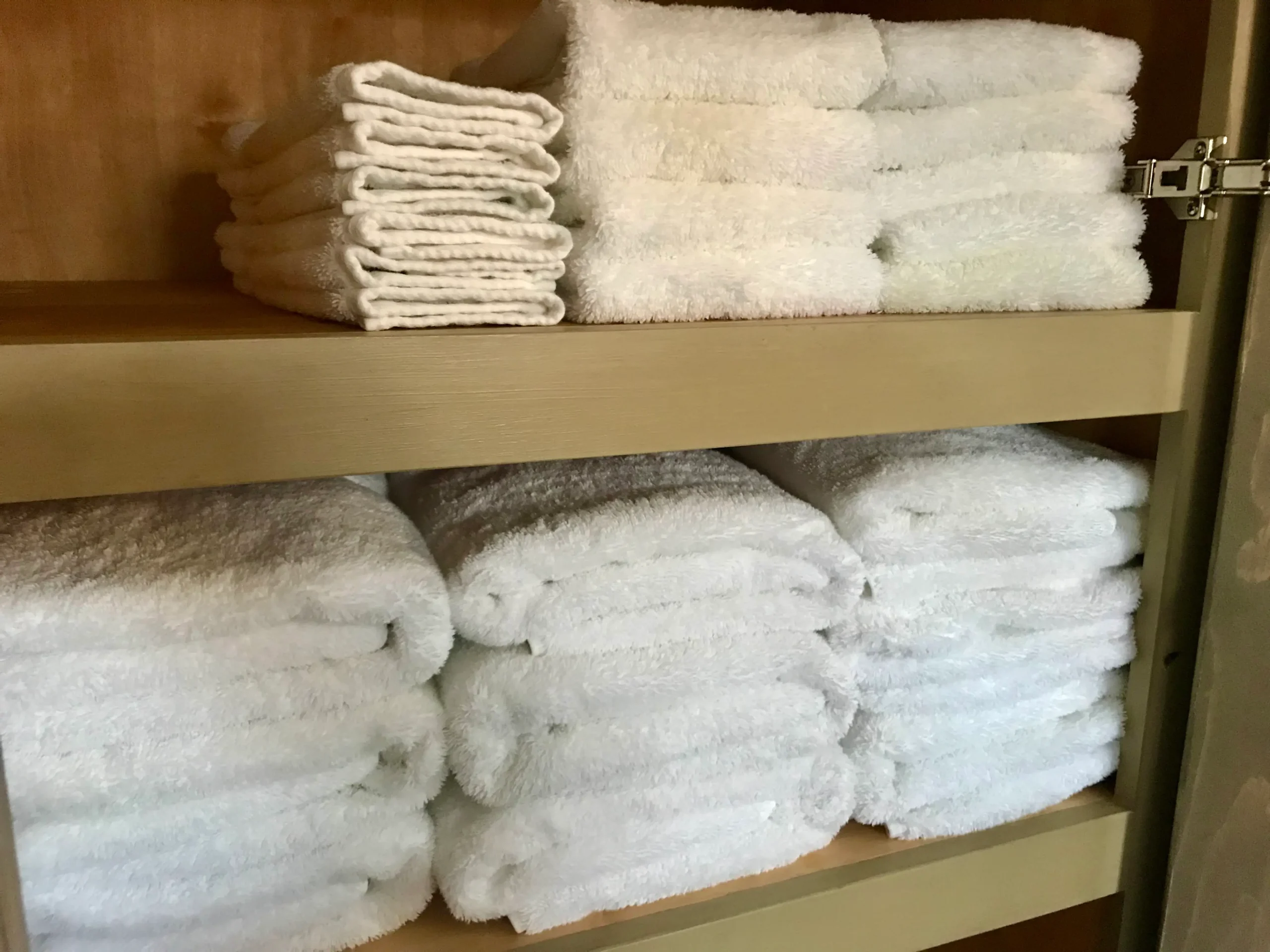
Guests can gather used towels. Stripping beds is now cleaning work. Confirm who removes linens, how laundry loads are handled, and how bedrooms are reset. For presentation details, see Ana’s vacation rental bedding standards.
The bathroom
The new rules don’t change the need to check every bathroom before a new arrival. Set a clear standard for cleaning, towels, supplies, and presentation. Ana’s bathroom reset checklist for vacation rentals explains why a bathroom can be clean and still feel unfinished.
A Five-Step Reset Before November 20
- Edit your listing. Review every checkout request in the Listing editor. Remove or rewrite anything that goes beyond a quick, reasonable request.
- Update your cleaning scope. Compare the new guest requests with your cleaning agreement. Assign every task guests no longer do, like stripping beds and starting laundry, instead of assuming it’s covered.
- Re-check turnover time. Homes with several beds, a full kitchen, or tight same-day windows may need more time or more people.
- Decide who reports what. Tell the team where to report missing supplies, damage, or access issues. Keep the decisions with the owner or manager.
- Run a test turnover. Try the new handoff on an ordinary changeover, and fix whatever surprised anyone before a busy weekend.
This isn’t a reason to promise impossible same-day availability. It’s a reason to make the work, the handoff, and the decisions clear.
Frequently Asked Questions
Can Airbnb hosts still require guests to strip beds?
Not for reservations booked on or after November 20, 2026. Stripping beds is one of Airbnb’s own examples of work a cleaner would normally do. Bookings made before that date keep the house rules shown when the guest booked.
Can a host ask guests to leave dirty dishes in the sink?
Yes. That’s a reasonable request. Requiring guests to wash and put dishes away is not.
Can I ask Airbnb guests to take out the trash?
You can ask them to sort trash and recycling into indoor bins. You can’t require them to take it off the property. If your Santa Fe County rental doesn’t have curbside pickup, plan for your cleaning team or property manager to handle trash removal.
Can I still charge a cleaning fee?
Yes. The policy covers house rules and checkout requests, not cleaning fees. Hosts whose turnovers relied on guest help may want to review their cleaning fee or nightly rate to cover the added work. Fees still need to follow Airbnb’s pricing and disclosure rules.
Do these rules apply to VRBO?
No. This is Airbnb’s policy. If you list on more than one platform, review each platform’s rules separately.
What if guests leave the property excessively dirty?
Hosts can no longer charge their own fines. Document the condition with photos and use Airbnb’s process for damage or unexpected cleaning costs.
Let Guests Check Out. Let the Cleaning Plan Do Its Job.
A smooth departure shouldn’t depend on a tired traveler finishing someone else’s checklist. Clear guest rules, a realistic cleaning scope, and good communication make it easier for everyone to know what happens next.
Ana Valenzuela Cleaning Services provides vacation rental cleaning and housekeeping in Santa Fe for owners and property managers. If you’re updating your turnover plan before November 20, request a vacation rental cleaning estimate to review the scope, scheduling, and needs of your property. An estimate request is not a confirmed cleaning appointment.