
An empty home can be deceptive, and that’s exactly when a move-out cleaning checklist earns its keep.
Once the furniture is gone, the rooms look bigger, brighter, and cleaner than they really are. Then you open the refrigerator. You look along the baseboard where the sofa used to sit. You pull open a bathroom drawer and notice the dust line behind a headboard that hasn’t moved in years.
Move-out cleaning is different from regular house cleaning. When belongings disappear, the home finally shows what daily life was hiding.
This checklist walks you through each room, explains what cleaning can and can’t fix, and covers the Santa Fe details, like hard water, kiva fireplaces, and Saltillo floors, that often show up at the final walkthrough.
The Short Answer: What Should Be Clean Before a Final Walkthrough?
Before a final walkthrough, clean everything an empty home now shows: the inside of cabinets, drawers, and closets; the inside of the refrigerator, oven, and microwave; bathroom fixtures and shower glass; floors from edge to edge; and baseboards, doors, switches, and windowsills. Cleaning removes ordinary dirt and residue. Damage, repairs, and paint touch-ups belong on a separate list.
Who Is the Walkthrough For? Know Your Goal
The same checklist works for different people, but the stakes change.
- Renters: the goal is your security deposit. In New Mexico, a landlord must return the deposit, or an itemized list of deductions, within 30 days after the lease ends or you move out, whichever is later. Normal wear and tear can’t be deducted. Damage beyond it can.
- Home sellers: the buyer’s final walkthrough usually happens shortly before closing. The goal is a home in the condition your purchase agreement describes.
- Landlords and property managers: the goal is a fast turnover. A clean, empty unit is easier to document and show to the next tenant.
Whatever your role, read your lease, sales contract, or written instructions first. They set the standard. This checklist helps you meet it, but it isn’t legal advice.
When to Schedule Move-Out Cleaning
Clean after the movers leave, not while boxes are still moving. Otherwise, floors get tracked again, shelves stay blocked, and dust from moving furniture settles on surfaces you already wiped.
The ideal timing: the home is empty, water and power are still on, and you have a day of buffer before the walkthrough. That buffer gives you time to fix anything you spot during your own check.
Moving into a new place too? Ana’s move-in cleaning guide covers the other side of the move.
Kitchen: Open Everything Before You Call It Done
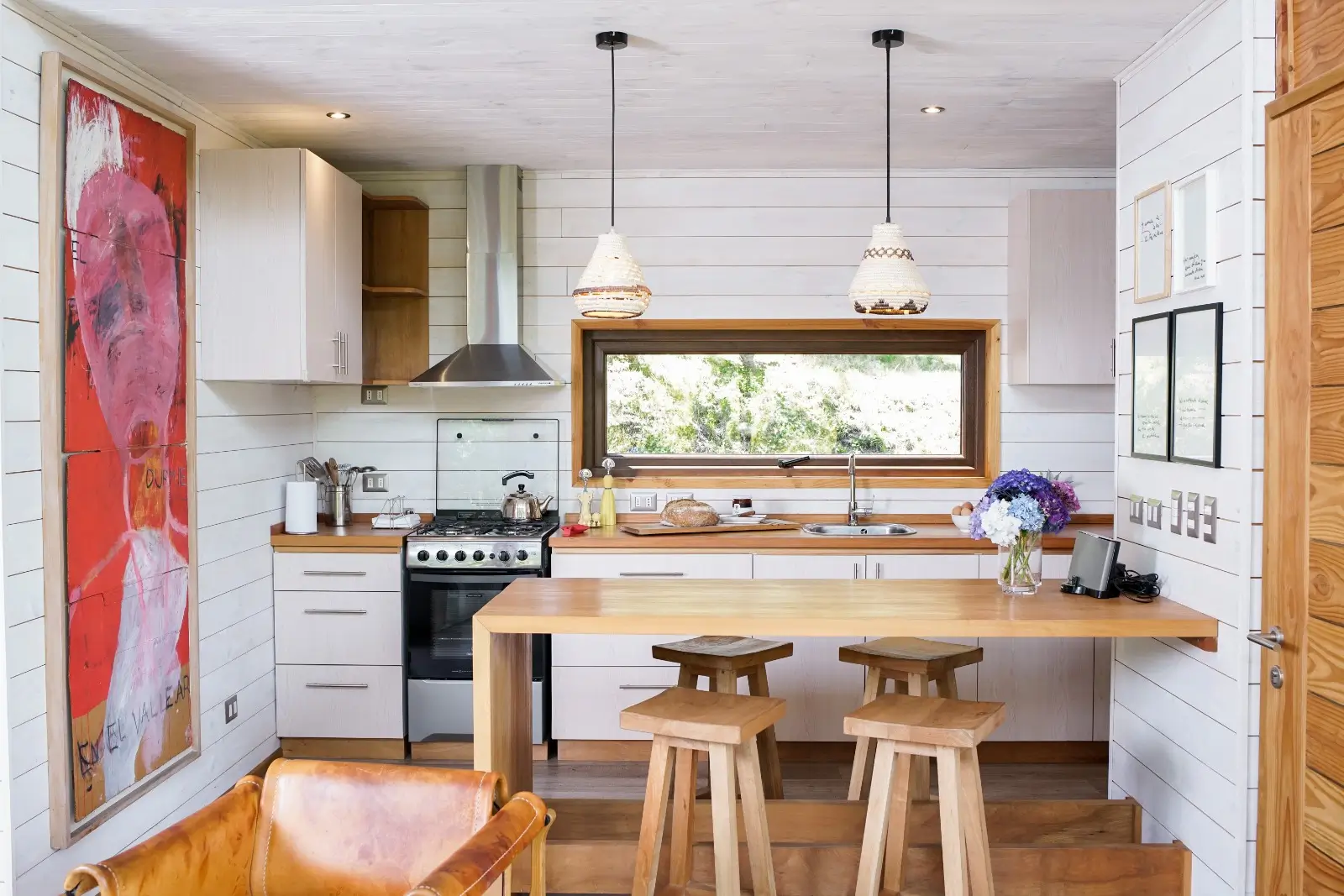
A kitchen can look spotless from the doorway and still fail the moment someone opens a cabinet. Work from the inside out.
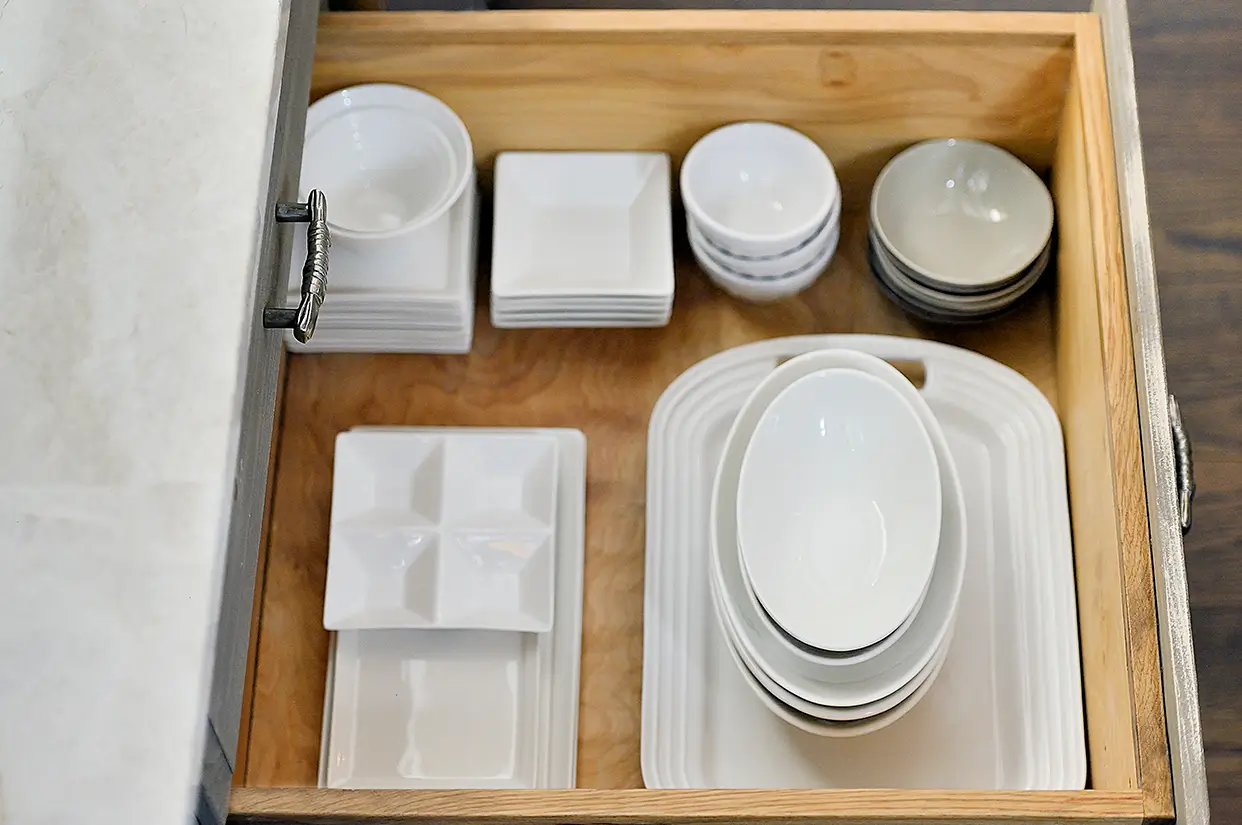
- Empty and wipe every cabinet shelf and drawer, including the corners.
- Clean inside the refrigerator: shelves, drawers, door bins, and the door seal.
- Clean the oven, stovetop, microwave, range hood, and dishwasher, as agreed in the cleaning scope.
- Clean the sink, faucet, counters, backsplash, and cabinet fronts.
- Check the floor where the refrigerator and other movable items stood.
If grease or long-standing residue is heavy, a quick wipe won’t be enough. The goal isn’t to pretend every mark is dirt. It’s to fix what cleaning can fix and list the rest as maintenance.
Bathrooms: Small Rooms, Very Visible Details
Bathrooms are small, so missed spots stand out. In Santa Fe, hard water also leaves white mineral spots on faucets, shower glass, and tile. Those spots can make a cleaned bathroom look unfinished.
- Clean the toilet, including the base and the area behind it.
- Clean sinks, faucets, vanity tops, and the inside of empty drawers and cabinets.
- Remove hard-water spots from faucets, showerheads, and glass with a product that’s safe for the surface.
- Clean shower tile, tubs, and grout lines.
- Clean mirrors, shelves, and the floor edges where baskets used to sit.
Bedrooms, Closets, and Living Areas: Follow the Furniture Lines
The easiest way to find what’s been missed is to follow the outline of where things used to be. Beds, sofas, dressers, and rugs often leave behind a map of dust, scuffs, and forgotten corners.
- Dust and wipe baseboards, door frames, and closet shelves.
- Wipe deep windowsills, which collect fine dust during Santa Fe’s windy months.
- Vacuum or clean floors all the way to the edges.
- Dust ceiling fans and reachable light fixtures, if they’re in the cleaning scope.
- Remove tape, adhesive residue, and debris, but keep wall damage on the repair list.
Santa Fe Details That Show Up at the Walkthrough
Some of the most noticeable spots in an empty Santa Fe home are ones national checklists don’t mention.
- Kiva fireplaces and wood stoves: remove ash and wipe the hearth and nearby plaster where it’s safe to do so. Leave chimney work to a chimney professional.
- Saltillo and flagstone floors: clean with gentle, pH-neutral products. Harsh or acidic cleaners can damage the sealer.
- Vigas, latillas, and high ledges: dust what’s safely reachable. These surfaces collect dust for years without anyone noticing.
- Evaporative (swamp) cooler vents: wipe the visible vent covers. Servicing the cooler itself is maintenance, not cleaning.
- Portals and entryways: sweep out mud and grit, and wipe the thresholds.
Doors, Trim, Switches, and Everything People Touch
In a furnished room, a fingerprint on a door edge is easy to miss. In an empty room, it stands out. Walk each room at eye level, then look lower: door faces, handles, switches, trim, and the line where walls meet floors.
A final cleaning shouldn’t depend on whether one person happens to notice a detail. Ana explains the step-by-step approach behind consistent visits in her professional cleaning methodology.
Know What Cleaning Can’t Fix
A final walkthrough goes more smoothly when cleaning and property condition stay in separate columns. A cleaning team removes dirt, dust, residue, and buildup within the agreed scope. It can’t make every property issue disappear.
| Cleaning issue | Property / maintenance issue |
|---|---|
| Dust on baseboards | Chipped or missing baseboard |
| Residue on a fixture | Leaking or damaged fixture |
| Hard-water spots on glass | Etched or cloudy glass that won’t come clean |
| Dirty cabinet shelf | Broken hinge or damaged cabinet |
| Ash on the fireplace hearth | Chimney or flue problems |
| Floor debris and ordinary soil | Deep scratches, broken tile, damaged flooring |
| Surface marks that wipe off | Paint damage, holes, or repairs |
Separating the two protects everyone’s expectations. It also helps an owner or property manager send each task to the right person, instead of asking a cleaner to make repair decisions.
Move-Out Cleaning vs. Deep Cleaning
Move-out cleaning describes the timing: an empty home, right before handover. Deep cleaning describes the intensity: buildup that routine cleaning doesn’t reach. A home with years of buildup may need both.
If that’s your situation, ask whether deep cleaning services make sense instead of assuming every difficult area fits a standard move-out scope.
Should You Do It Yourself or Hire Help?
Doing it yourself makes sense for a small, well-kept home and a flexible timeline. Hiring help makes sense when the home is large, the deadline is tight, you’ve already moved out of town, or there’s buildup from years of living. A professional team can often finish in a day what takes one person an entire weekend.
A 10-Minute Final Walkthrough Checklist
Once the cleaning is done, walk the home one last time. Don’t clean as you go. The goal is to check, not to start over.
- Kitchen: open the refrigerator, oven, microwave, cabinets, and drawers.
- Bathrooms: check fixtures, glass, vanity interiors, the toilet base, and floor edges.
- Bedrooms: check closet shelves and floors, baseboards, and where the furniture stood.
- Living areas: scan floor edges, trim, windowsills, doors, and built-ins.
- Floors: look from the doorway toward the window light. Dust is easier to spot at an angle.
- Photos: take date-stamped photos of every room. They’re your record if questions come up later.
- Maintenance: list damage, leaks, broken hardware, or repairs separately.
- Closeout: confirm which cleaning items are done and which repair items still need action.
Frequently Asked Questions
What is usually included in move-out cleaning?
Move-out cleaning covers the empty home: kitchens, bathrooms, floors, baseboards, closets, cabinets, appliance interiors, and other surfaces in the agreed scope. Confirm the exact checklist with your provider before the visit.
Should the house be empty before move-out cleaning?
Yes, as much as possible. An empty home gives full access to floors, closets, shelves, and the areas furniture used to hide. If movers and cleaners overlap, plan for a final touch-up after the move.
Is move-out cleaning the same as deep cleaning?
No. Move-out refers to the timing and purpose of the cleaning. Deep cleaning refers to a more intensive scope. A home with heavy buildup may need both, so ask the provider to define the actual work.
How clean does a rental need to be to get my deposit back in New Mexico?
Clean enough that the only issues left are normal wear and tear. New Mexico law doesn’t allow deductions for normal wear and tear, and the landlord must send any deductions as an itemized list within 30 days. Your lease may also list specific cleaning requirements.
Do lease or sale requirements set the cleaning standard?
Yes. If you’re leaving a rental, selling a home, or handing a property back to a manager, review the written requirements first. A cleaning checklist is useful, but it doesn’t replace a lease, sales agreement, or property manager’s instructions.
Leave the Home Ready for the Next Step
A move-out clean isn’t about making an empty home look perfect from the doorway. It’s about removing the distractions that make a final walkthrough harder. Once ordinary cleaning is done, the remaining issues are easier to see, document, and assign.
Ana Valenzuela Cleaning Services includes move-in and move-out care within its residential cleaning services in Santa Fe. You can also read why homeowners work with Ana Valenzuela and a move-in / move-out client experience before deciding whether the service fits your property.
To talk through your home and the cleaning scope, request a cleaning estimate. The estimate is used to understand your needs, availability, and pricing. It is not a confirmed cleaning appointment.